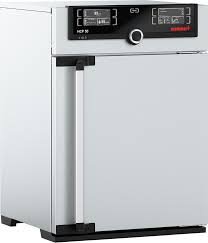
Humidity Chamber
A Humidity Chamber is a specialized testing device used to simulate and control environmental conditions, particularly temperature and humidity, to evaluate the performance, durability, and stability of products. It plays a crucial role in industries such as pharmaceuticals, electronics, automotive, textiles, and research laboratories, where products must withstand varying climatic conditions.
The primary function of a humidity chamber is to create a controlled environment that replicates real-world conditions. By adjusting humidity levels and temperature, manufacturers can test how materials and products react to moisture, heat, or extreme conditions over time. This helps in identifying potential defects, ensuring product quality, and meeting regulatory standards.
Humidity chambers are widely used for stability testing in the pharmaceutical industry to determine the shelf life of medicines. In electronics, they help assess how components perform under high moisture conditions, preventing failures like corrosion or short circuits. Similarly, in the automotive and textile industries, these chambers ensure that materials can endure environmental stress without degradation.